

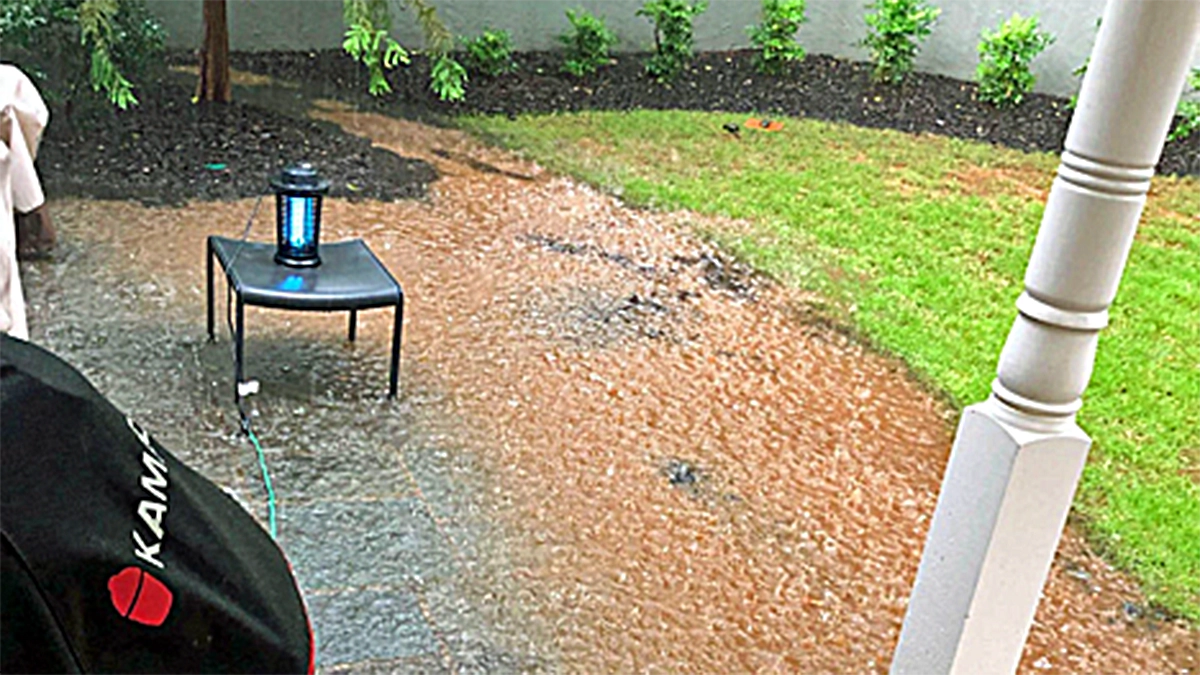
How Would Your Property Handle the Storm?
Last month, I watched over 5 inches of rain fall in Metro Atlanta in 48 hours and have been dismayed to see the vast areas of washout in my neighborhood and local park. The question every homeowner should ask: Does your property have permanent landscape drainage solutions that can handle this extreme rainfall?
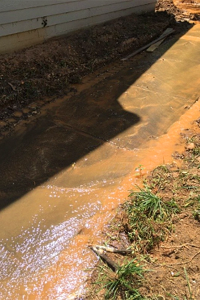 Unfortunately, with our almost impervious clay soil, stormwater runoff can wreak havoc on a typical residential property — especially when that property relies on the quick fixes that most contractors recommend.
Why Typical Contractor Landscape Drainage Solutions Fail
Builders and contractors often use drain boxes as their go-to stormwater management approach. It's fast to install, looks like a solution, and gets them paid quickly. But in heavy rain events like we just experienced, these boxes get clogged, become overwhelmed, and fail spectacularly.
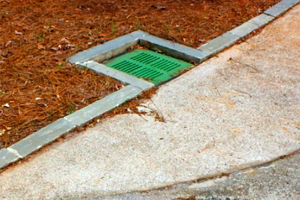 If they're not installed in the lowest spot or if silt builds up around them, you end up with a bog where your "solution" used to be. I've seen countless adaptations homeowners make trying to fix these failed systems. But the fact remains: drain boxes only work until they don't.
What an Owner's Representative Recommends Instead
The crux of an effective and permanent stormwater solution is investigation — something contractors skip because it takes time they're not paid for. Where is the water originating? Where does it flow and terminate? What happens during extreme weather events?
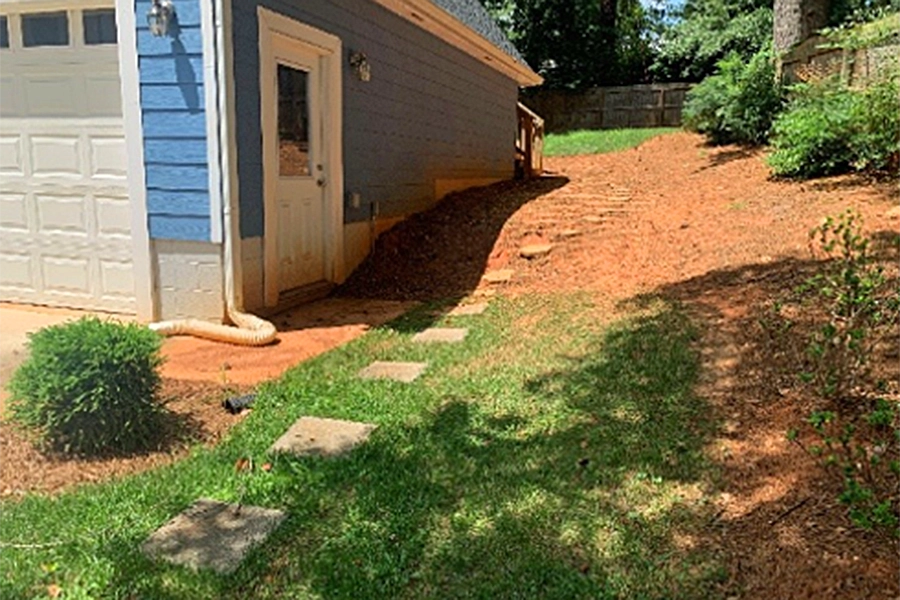
Smart engineering starts with understanding the bigger picture. If you can re-grade and redirect water flow near your fence line toward natural areas rather than straight toward your house, you have a much better chance of managing water than installing multiple drain boxes or French drains adjacent to your home.
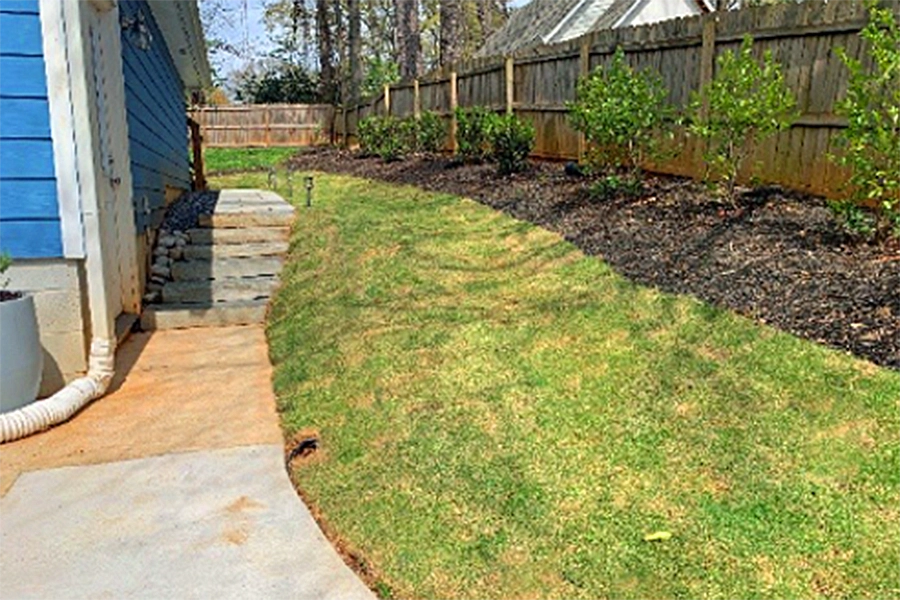
Water flows downhill — we design with that reality, not against it. Simple solutions like creating a swale (shallow ditch) give water a non-destructive path safely away from your home. Healthy turf grass holds the grade and provides excellent erosion control through its fibrous root system.
Dry Creek Beds: A Permanent Drainage Solution
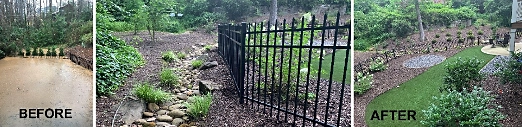
Properly installed dry creek beds are engineered to be the lowest point of surrounding areas and can handle water from any direction. Water is channeled through strategically sized river rock and terminates exactly where you want it to go.
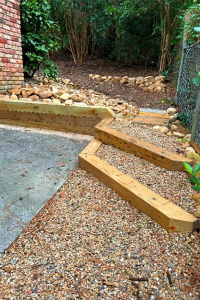 Instead of expensive concrete replacement or multiple drain systems, smart engineering creates beautiful solutions that actually work. The creek bed shown terminates with angled steps that direct water away from the basement toward an existing drainage channel — solving the problem while creating an attractive landscape feature.
Creek beds require maintenance like any system, but they offer a productive and beautiful solution that doesn't fail during the storms when you need them most.
Don't Wait for the Next Big Storm to Find Out Your System Fails
As your Owner's Representative, we engineer stormwater solutions based on your property's actual conditions and Atlanta's actual weather patterns — not on what's fastest for a contractor to install.
Ready to protect your property from the next big storm? Schedule a consultation to discuss permanent drainage solutions that work when you need them most.
Q: Why is Atlanta clay so difficult for drainage?
Our Metro Atlanta soil is nearly impervious. Without professional landscape drainage solutions like swales or dry creek beds, water sits on the surface or rushes toward your foundation rather than soaking in.